
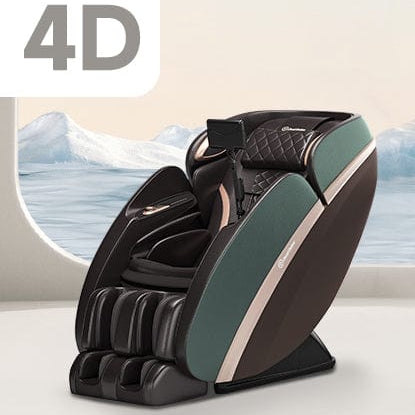


If you’ve been browsing massage chairs lately, you’ve probably seen phrases like “4D rollers” and “zero gravity recline” everywhere. They sound futuristic, maybe even a little intimidating. So it’s fair to ask: are these things actually safe, or could they mess you up if you use them wrong?
Short answer: for most people, they’re safe. But like any piece of equipment that works directly on your body, there are some things you should understand before you sink into one and hit “start.”
What does “4D zero gravity” even mean?
A 4D massage chair basically takes the usual roller system (up/down, left/right, in/out) and adds another dimension: speed and rhythm variation. That’s what gives it a more human-like feel.

Real Relax 4D massage roller and adaptive roller extension
Zero gravity is about positioning. The chair reclines your body so your legs are slightly elevated above your heart. This position reduces pressure on your spine and helps distribute your body weight more evenly.

Real Relax PS6500 4D massage chair with 3 levels of zero gravity
NASA originally studied this posture to reduce stress on astronauts’ bodies during launch.
So no, it’s not just a marketing gimmick. There’s real biomechanics behind it.
So are they dangerous?
For the average healthy adult, using a 4D zero gravity massage chair is generally considered low risk when used properly.
Massage itself has been widely studied. According to the Mayo Clinic, massage therapy can help reduce muscle tension, improve circulation and promote relaxation.
But—and this is important—“safe” doesn’t mean “use it however you want.”
A massage chair is still applying pressure, movement and sometimes heat to your body. Misuse or ignoring guidelines can lead to discomfort or even minor injury.
Where the risks actually come from
Overuse is the most common issue
This one always is mentioned in manuals, including models like the Real Relax PS6500.
Using a massage chair too long can lead to muscle soreness or overheating of the device. Most chairs recommend sessions of around 15–30 minutes.
That’s not random. Your muscles need time to respond and recover. More isn’t always better.
Too much intensity
4D rollers can get surprisingly deep. That’s part of the appeal, but also where people run into trouble.
If you crank up the intensity right away, especially on sensitive areas like the lower back or neck, you might end up feeling sore instead of relaxed.
Think of it like working out. You wouldn’t start with your max weight on day one.
Falling asleep mid-session
It sounds harmless, but many manuals actually warn against it.
If you fall asleep, you lose awareness of pressure, positioning, and time. That increases the chance of overstimulation or staying in one position too long.
Ignoring your body’s signals
Pain is not something to “push through” in a massage chair.
According to the Cleveland Clinic, massage should not cause sharp or intense pain. Discomfort is one thing, but pain is your body telling you to stop.
Who should be more careful?
Some people need to take extra precautions or talk to a doctor first.
If you look at safety guidelines across different brands (including Real Relax), these groups come up often:
People with medical conditions
If you have heart disease, spinal issues, or are recovering from surgery, you should check with a healthcare provider first.
For example, people with severe osteoporosis or spinal abnormalities could be more sensitive to pressure.
You might be interested in: https://realrelaxmall.com/blogs/news/is-it-safe-to-use-a-massage-chair-with-osteoporosis
Pregnant individuals
Massage can sometimes be helpful during pregnancy, but not all types are appropriate.
The American College of Obstetricians and Gynecologists suggests that certain positions and pressures should be avoided, especially without guidance.
Kids and elderly users
Most massage chairs are designed for adult bodies.
Children, especially under 12, are usually not recommended to use them. For older adults, supervision or lower intensity settings are a safer choice.
What about zero gravity—any downsides?
Zero gravity is actually one of the safer features.
By reducing spinal compression, it can help relieve back tension rather than cause it.
That said, if you have conditions like acid reflux or certain cardiovascular issues, reclining deeply might feel uncomfortable. It’s not dangerous for most people, just something to adjust based on comfort.
Built-in safety features help a lot
Modern chairs aren’t just powerful—they’re also pretty smart.
Take something like the Real Relax PS6500. It includes features like:
- Auto shut-off timers
- Overheat protection
- Body scanning before massage
- Force-triggered motor stop
That last one is especially important. If the chair detects excessive resistance or pressure, it can stop automatically to prevent damage or injury.
These aren’t just nice extras—they’re part of what makes newer massage chairs safer than older ones.
Simple habits that make a big difference
Using a massage chair safely doesn’t require anything complicated.
Just a few common-sense habits go a long way.
• Start with a lower intensity and build up gradually. Your body needs time to adjust, especially if it’s your first time using a 4D system.
• Keep sessions within the recommended time. Most chairs are designed around 15-minute cycles for a reason.
• Stay aware while using it. You don’t need to sit stiffly, but try not to completely zone out or fall asleep.
• And always check the chair before sitting down. Make sure there’s nothing stuck in the moving parts and no pets or objects underneath.
Are 4D chairs riskier than regular ones?
Not really.
They’re more advanced, yes, but that doesn’t automatically make them more dangerous.
If anything, features like body scanning and adjustable intensity can make them safer because they adapt better to your body.
The risk depends more on how you use the chair than the technology itself.
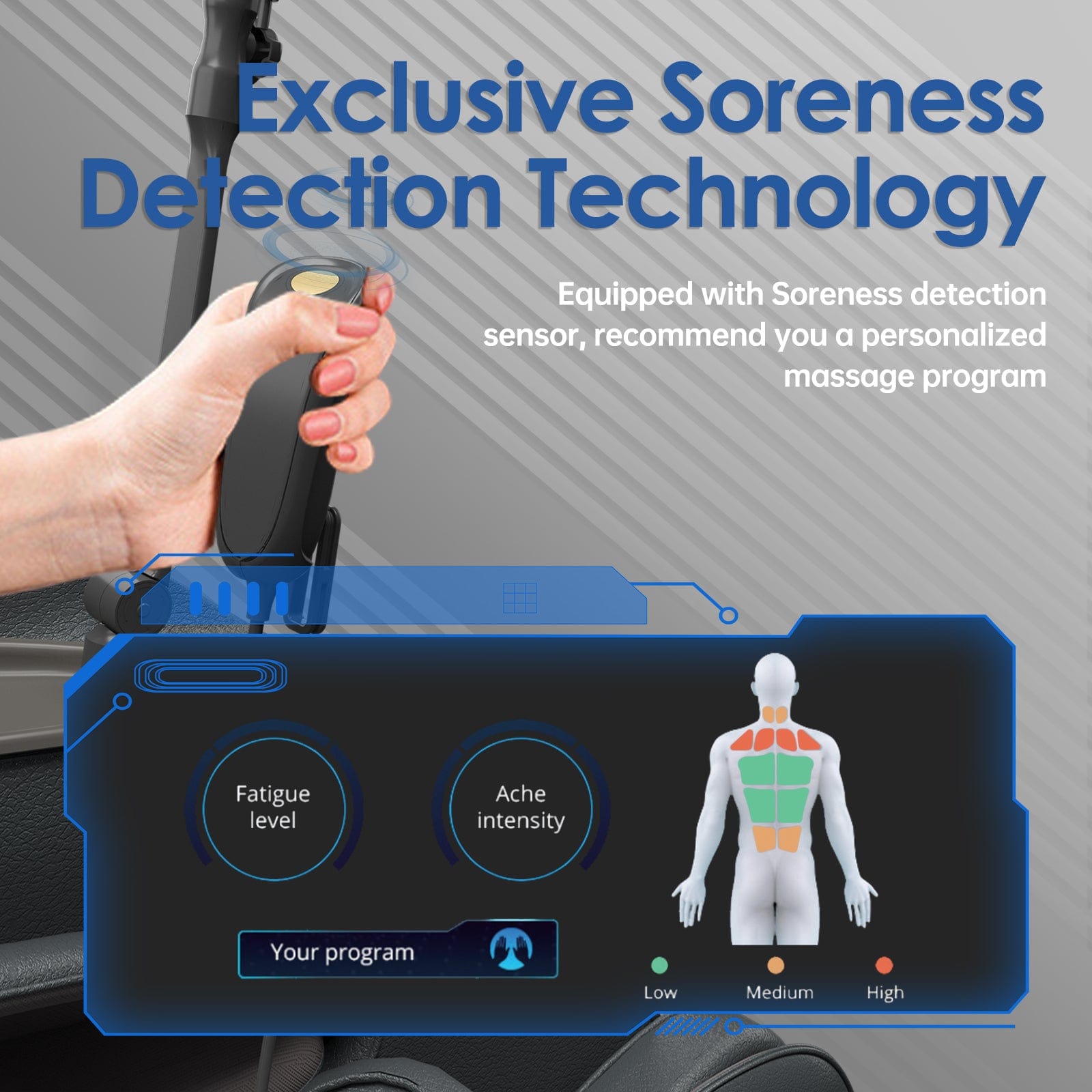
The built-in soreness detection sensor in PS6500 recommends a personalized massage program.
The bottom line
4D zero gravity massage chairs aren’t dangerous for most people. They’re designed to relax muscles, reduce tension, and improve comfort.
But they’re not something you should use carelessly.
Stick to reasonable session times, avoid excessive intensity and pay attention to how your body feels. If you have a medical condition or any doubts, checking with a doctor is always a smart move.
Brands like Real Relax build in safety features and provide detailed guidelines for a reason—it’s worth actually following them.
If you treat the chair like a tool instead of a toy, it’s far more likely to help you feel better than cause any problems.