


You get into a massage chair feeling stiff and tired. Twenty or thirty minutes later, you feel relaxed, loose, and ready to call it a night. Then you wake up the next morning and notice something unexpected. Your back feels a little sore. Your shoulders feel tender. Maybe your legs even feel slightly achy.
So, what happened? Can a massage chair actually make you sore the next day?
Yes, it can. But mild soreness does not automatically mean something went wrong. In many cases, it comes down to massage intensity, how long you used the chair and how accustomed your body is to that type of pressure.
Why Can You Feel Sore After a Massage Chair?
Massage puts mechanical pressure on your muscles and soft tissues. If your body is not used to that pressure, a strong massage session can leave certain areas feeling tender afterward.
Think about what happens when you suddenly increase the intensity of a workout. Your muscles may feel fine while you're exercising, but the next day you notice stiffness and soreness. Massage-related soreness can be somewhat similar, although the underlying process is not necessarily the same as exercise-induced muscle soreness.
Research on massage and delayed-onset muscle soreness (DOMS) actually shows that massage can reduce soreness after strenuous exercise. A systematic review and meta-analysis published in Frontiers in Physiology found that massage was associated with lower muscle soreness at 24, 48, and 72 hours after intense exercise.
So massage itself is not generally expected to make muscles more painful. However, a particularly strong or unfamiliar massage can temporarily leave you feeling tender, especially if you're already tight or haven't used a massage chair before.
A Stronger Massage Isn't Always a Better Massage
This is probably the biggest thing to keep in mind. When people first use a massage chair, there can be a temptation to turn everything up. Maximum massage intensity. Maximum air pressure. Longest session. Deepest roller setting. It feels powerful, so it must be doing more, right?
Not necessarily. Your muscles and soft tissues don't need to be pushed as hard as possible to get a relaxing massage. If the pressure is too aggressive for your body, you may simply end up feeling uncomfortable afterward. That's particularly relevant with massage chairs that combine several features at once. A chair may use rollers, airbags, foot rollers, heating, reclining movement, and other functions during the same session. Using several strong settings together can make the experience feel considerably more intense.
The better approach is usually to start comfortably and increase the intensity only if your body responds well.
Your First Few Sessions May Feel Different
If you've never used a massage chair before, don't judge the chair based on one unusually strong session. Your body needs some time to get familiar with the sensation. For example, the first few sessions might leave your shoulders or lower back feeling slightly tender, while later sessions feel much more comfortable at the same intensity. This doesn't mean you should push through significant pain.
There's a big difference between mild, temporary tenderness and pain that feels sharp, severe, or unusual. A 2020 systematic review and meta-analysis of 29 randomized studies found that massage may provide a small benefit for reducing DOMS, although it did not show improvements in several measures of athletic performance. That is a useful reminder that massage can help with soreness without needing to be extremely intense.
How Your Massage Chair Settings Can Affect Next-Day Soreness
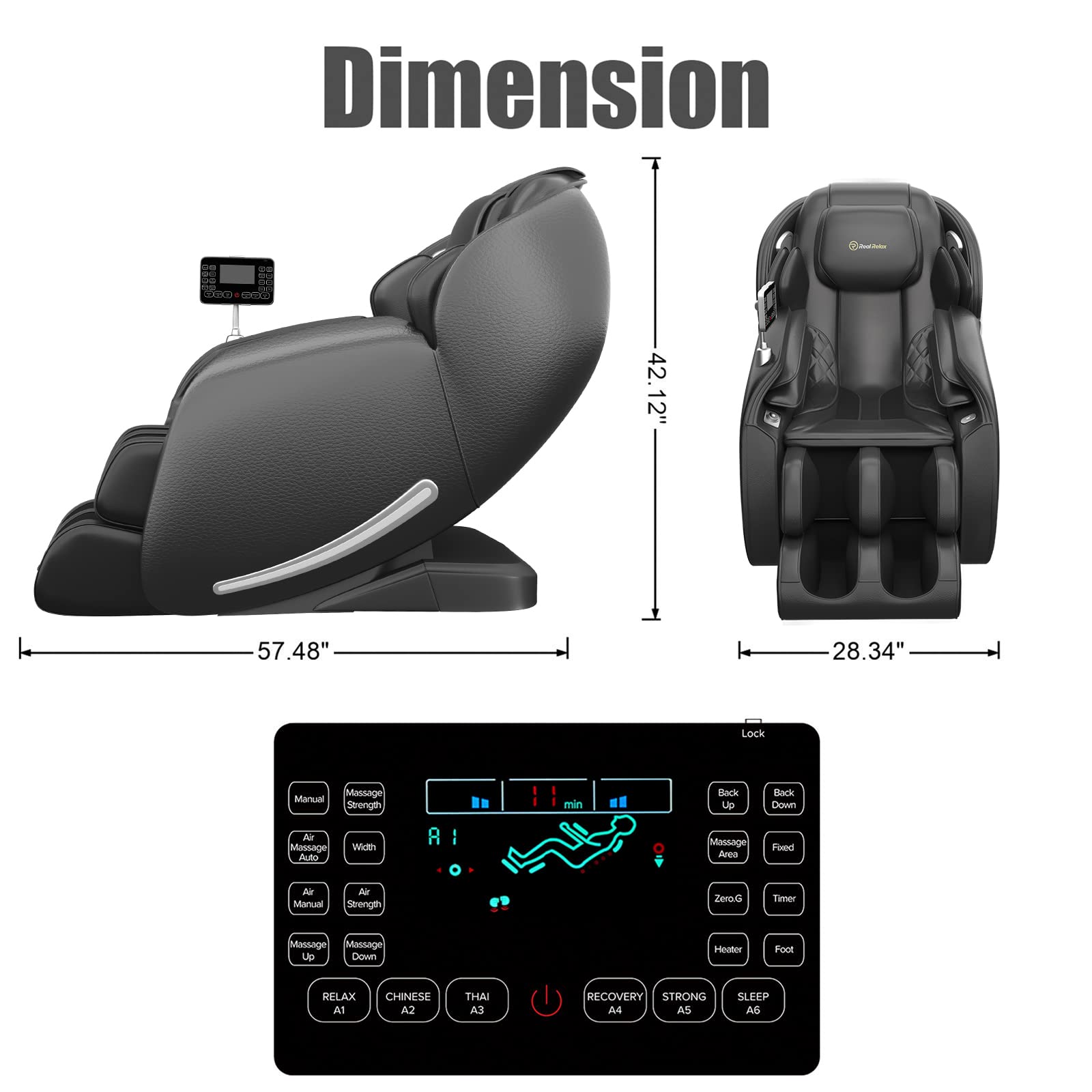
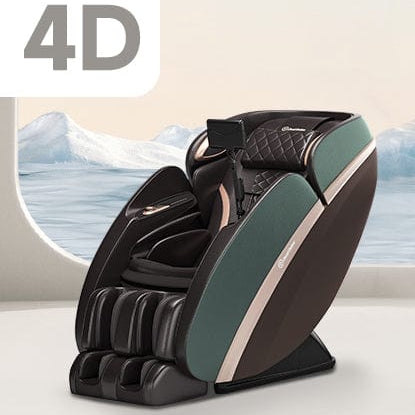
Not every massage session puts the same amount of stress on your body. With the Real Relax Favor-06 2026, for example, you can adjust massage intensity across five levels and airbag pressure across five levels. The chair also includes foot rollers, back heating, Zero Gravity, body scanning, and multiple massage techniques. That gives you plenty of ways to customize the experience, but it also means you don't need to use the strongest setting every time.


If you're new to the chair, starting around the lower or middle intensity levels may make more sense. You can gradually increase the pressure once you know how your body responds.
The Favor-06 also uses body scanning to map areas such as the neck, shoulders, and back so the massage mechanism can position itself more accurately. Proper positioning matters because pressure in the wrong place can feel much less comfortable than pressure applied to the muscles you're actually trying to relax.

Could Zero Gravity Make a Difference?
Zero Gravity isn't a stronger massage setting by itself. Instead, it changes the position of your body by reclining the back and elevating your legs. This can create a more supported posture while the massage is running. For some people, that position feels especially comfortable because the body is more evenly supported. For others, a new reclined position may feel different from what they're accustomed to.

With the Real Relax Favor-06, Zero Gravity can be used alongside other massage functions, so pay attention to how your body responds rather than assuming the most dramatic position is automatically the most comfortable.
What About Airbags?
Airbags can also contribute to that "wow, that's a lot of pressure" feeling. The Favor-06 uses full-body airbags around areas including the shoulders, arms, hips, calves, and feet. Their pressure can be adjusted through five levels. If your shoulders or legs feel tender after a session, reducing airbag pressure is an easy adjustment to try. You don't necessarily need less massage overall. You may simply need less compression.
That's one of the advantages of having separate controls for roller intensity and air pressure.

You can control the massage intensity, airbag pressure, and massage area with the Favor-06 LCD control panel.
How Long Should You Use a Massage Chair?
Longer isn't automatically better here, either. The Favor-06 allows massage time to be adjusted in five-minute increments, from 5 to 30 minutes through its timer function. Its user guidance recommends keeping a massage session to one hour or less. For someone who is new to massage chairs, there's little reason to start with an extremely long session.
Try a shorter session first. See how you feel later that evening and the following morning. If everything feels good, you can adjust the duration or intensity gradually. Your body's response is more useful than simply chasing a higher number on the control panel.
When Is Soreness Normal—and When Should You Stop?
A little tenderness after a strong or unfamiliar massage can happen. It should generally be mild and temporary.
But don't ignore significant pain. If you experience sharp pain, substantial swelling, numbness, unusual weakness, dizziness, or symptoms that persist or get worse, stop using the chair and seek appropriate medical advice.
Massage chairs are designed for relaxation and comfort. They aren't intended to replace medical treatment for an injury or health condition. The same basic rule applies during the session: comfortable pressure is fine; pain is a reason to stop or reduce the intensity.
How to Avoid Feeling Sore the Next Day
If you want a gentler experience, a few simple changes can help. Start with moderate massage intensity rather than maximum pressure. Keep the airbag setting comfortable. Use a shorter session when you're new to the chair. Make sure you're sitting properly and allowing the body scan to position the rollers.
You can also experiment with individual features instead of turning everything on at once. For example, you might use gentle roller massage with moderate airbags one day, then add foot rollers or stronger pressure during another session. That makes it easier to figure out what your body actually likes.
So Can a Massage Chair Make You Sore?
Yes, a massage chair can leave you feeling sore the next day, especially after a strong, long or unfamiliar session. But mild soreness doesn't necessarily mean the chair has damaged your muscles.
In fact, research generally points in the opposite direction: massage can help reduce post-exercise muscle soreness, although the benefits are modest and massage isn't a substitute for proper recovery.
The key is finding the right level of pressure for your body.
With a chair like the Real Relax Favor-06, having multiple intensity, air-pressure, massage, and positioning options means you don't have to treat every session like a deep-tissue workout. Start comfortably, pay attention to how you feel afterward, and adjust from there.
Sometimes the best massage isn't the one you feel the most the next morning. It's the one that leaves you feeling better when you get out of the chair.