
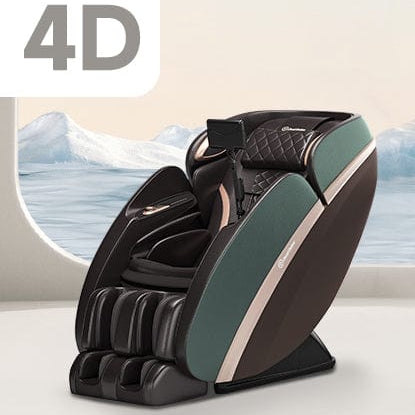


Stress doesn’t usually show up all at once. It builds slowly—tight shoulders after long workdays, stiff neck from looking at screens, that constant feeling of being “on” even when you’re finally sitting down. A lot of people don’t even notice it until their body starts complaining louder than their mind.
That’s where zero gravity massage chairs come into the picture. They’re often marketed as luxury relaxation devices, but there’s actually a real physical logic behind them. Models like Real Relax PS6500 massage chair are built around one core idea: help the body let go of tension so the mind can follow. But how much of that is actually true? And can a chair really make a difference in stress levels?
Zero gravity isn’t just a recline position
At first glance, “zero gravity” sounds like something from space technology, but the concept is surprisingly simple. It refers to a seated position where your legs are elevated slightly above your heart, and your body weight is distributed evenly across the chair.
In chairs like the Real Relax PS6500, this position is designed to reduce pressure along the spine and joints while supporting the natural curve of your back. Instead of your muscles working to hold you upright, the chair does that job for you. This idea comes from NASA research on astronaut posture during takeoff, where body positioning is used to minimize strain under high pressure environments.
When your body is placed in this position, the sensation is subtle but noticeable. The lower back feels less compressed, breathing often feels easier, and there’s a sense that your body weight is “disappearing” into the chair. That physical unloading is the first step toward reducing stress.
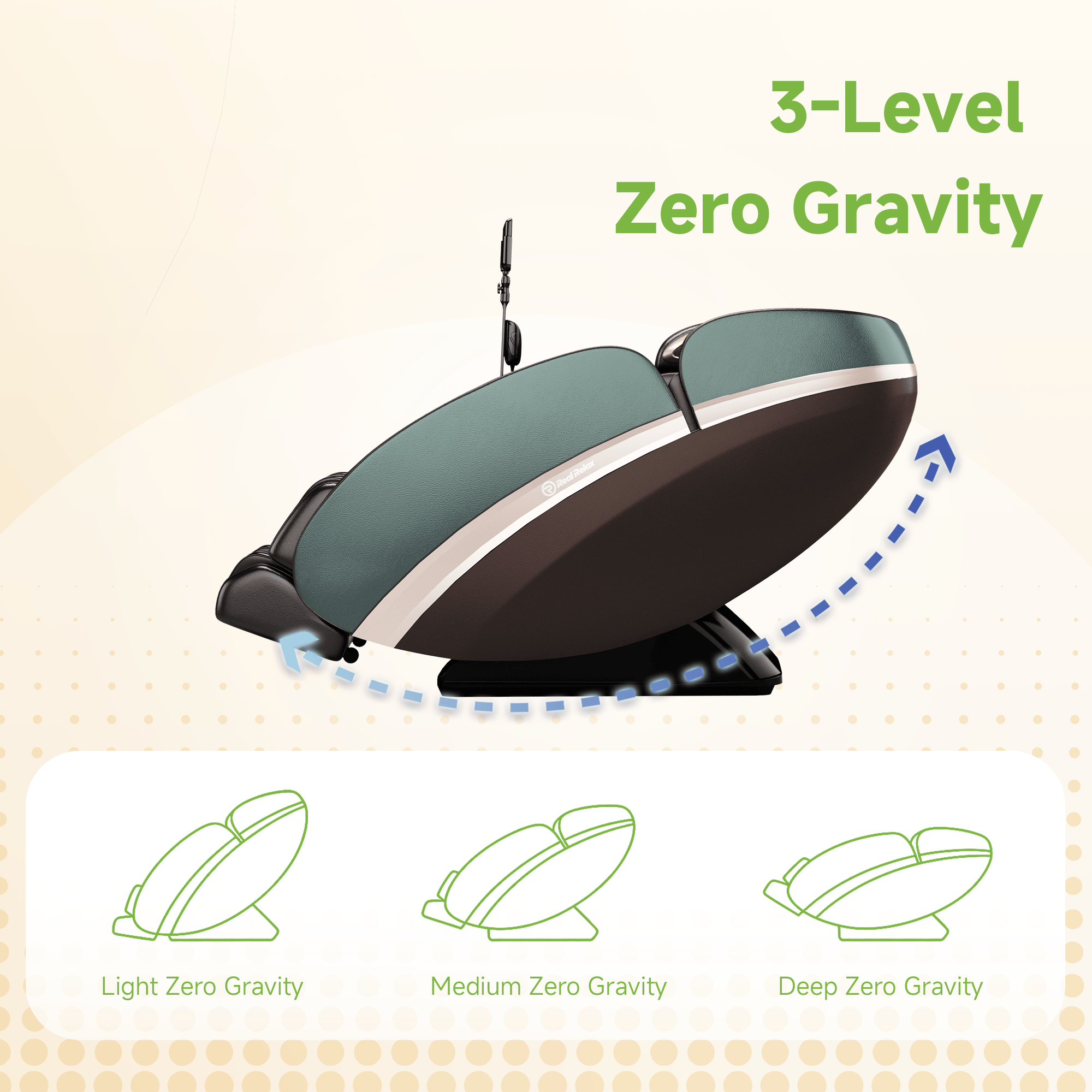
Real Relax PS6500 with 3-level zero gravity
Stress is physical before it becomes mental
People usually think of stress as something happening in the brain, but the body plays a huge role in keeping it going. When you’re stressed, muscles tighten automatically. Shoulders rise slightly, jaw muscles clench, and the lower back often stiffens. If this continues for hours or days, your nervous system stays in a more alert state. This is known as the sympathetic nervous system response—the “fight or flight” mode. It’s useful in short bursts, but not meant to stay active all day.
Massage therapy research shows that physical relaxation techniques can help reduce cortisol, the hormone associated with stress, and improve mood regulation. A study published in Complementary Therapies in Medicine found measurable reductions in cortisol after massage interventions (https://www.sciencedirect.com/science/article/pii/S0965229922000279).
This is important because it shows something simple: when the body relaxes, the stress system in the brain also calms down. Zero gravity massage chairs take advantage of this connection between body and mind.
Real Relax PS6500 massage chair helps relieve stress after work.
How zero gravity massage chairs actually reduce tension
The real effect of a chair like the Real Relax PS6500 comes from layering three things together: posture, mechanical massage, and thermal therapy. The zero gravity position reduces gravitational load on the spine. Then the massage rollers simulate kneading and tapping motions along the back, while airbags gently compress areas like shoulders, arms, and legs. Heating in the lower back adds warmth, which helps muscles loosen faster.
Heat therapy is widely recognized for improving blood flow and reducing muscle stiffness. According to the Cleveland Clinic, heat can help relax tight muscles and improve mobility in affected areas (https://my.clevelandclinic.org/podcasts/cancer-advances/turning-up-the-heat-benefits-of-hyperthermia-therapy).
When these elements work together, the body starts shifting away from tension without needing active effort from the user. You don’t have to “try to relax”—your body is physically guided into it. That’s one of the key differences compared to just sitting on a regular chair or even lying on a bed.
The nervous system switch most people actually feel
One of the most noticeable effects people report after using zero gravity massage chairs is a kind of mental slowdown. Thoughts feel less “urgent,” breathing becomes more natural, and there’s often a mild sleepy feeling afterward. This is linked to the parasympathetic nervous system, sometimes called the “rest and digest” mode. When activated, heart rate slows down, digestion improves, and the body shifts into recovery.
Massage stimulation has been shown to support this shift. A review published in the Journal of Clinical Psychiatry notes that massage therapy can help reduce anxiety and promote relaxation through nervous system regulation.
In a chair like Real Relax PS6500, this effect is amplified because you’re not just getting massage—you’re also fully supported in a reclined position that reduces physical effort from your muscles. That combination is what creates the noticeable “shutdown” feeling after a session.
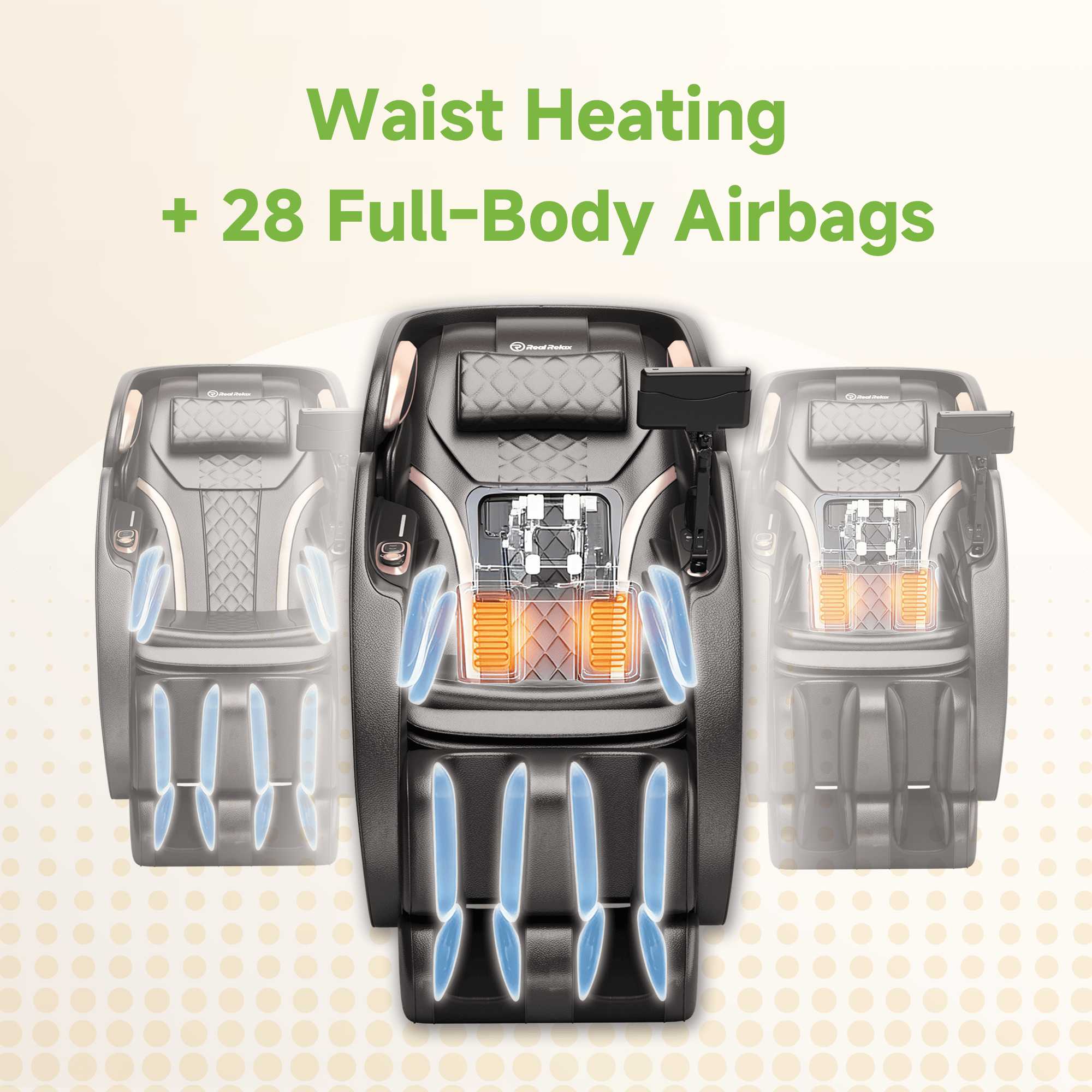
Why Real Relax PS6500 fits into modern stress routines
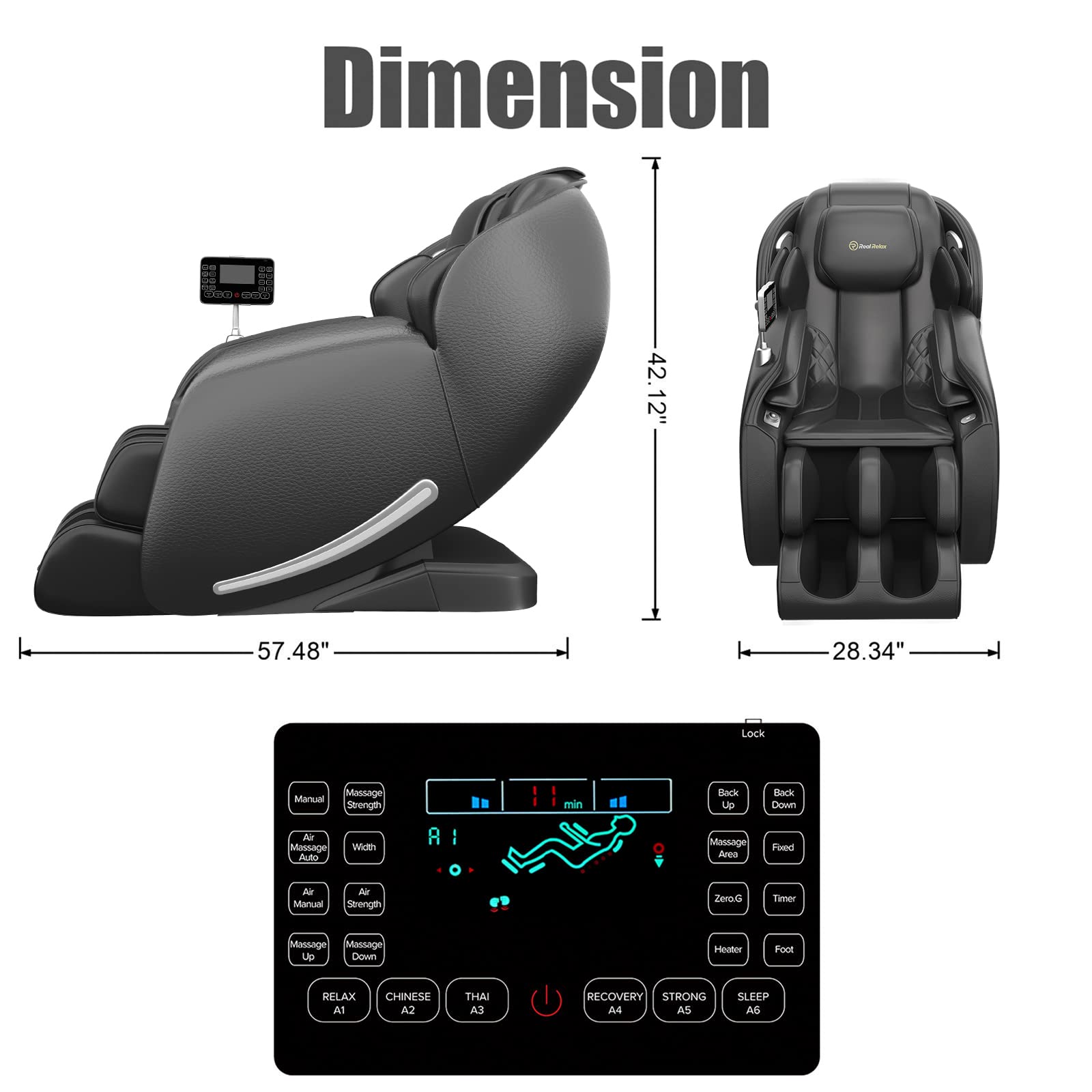
Real Relax PS6500 massage chair is designed around full-body relaxation rather than isolated muscle relief. It includes 4D massage rollers that adjust depth and rhythm, air compression systems for arms and legs, and multiple automatic programs such as relaxation, stretching and recovery modes.
It also includes features like Bluetooth audio and stress-relief sound environments. While those may seem secondary, they matter more than expected. Sound plays a role in emotional regulation, especially when paired with physical relaxation.
The chair also supports zero gravity levels, allowing users to choose how deeply reclined they want to be depending on comfort and preference.
Instead of requiring manual adjustments or technique knowledge, the system handles most of the process automatically. That makes it easier for people to actually use it consistently, which is important for stress management.
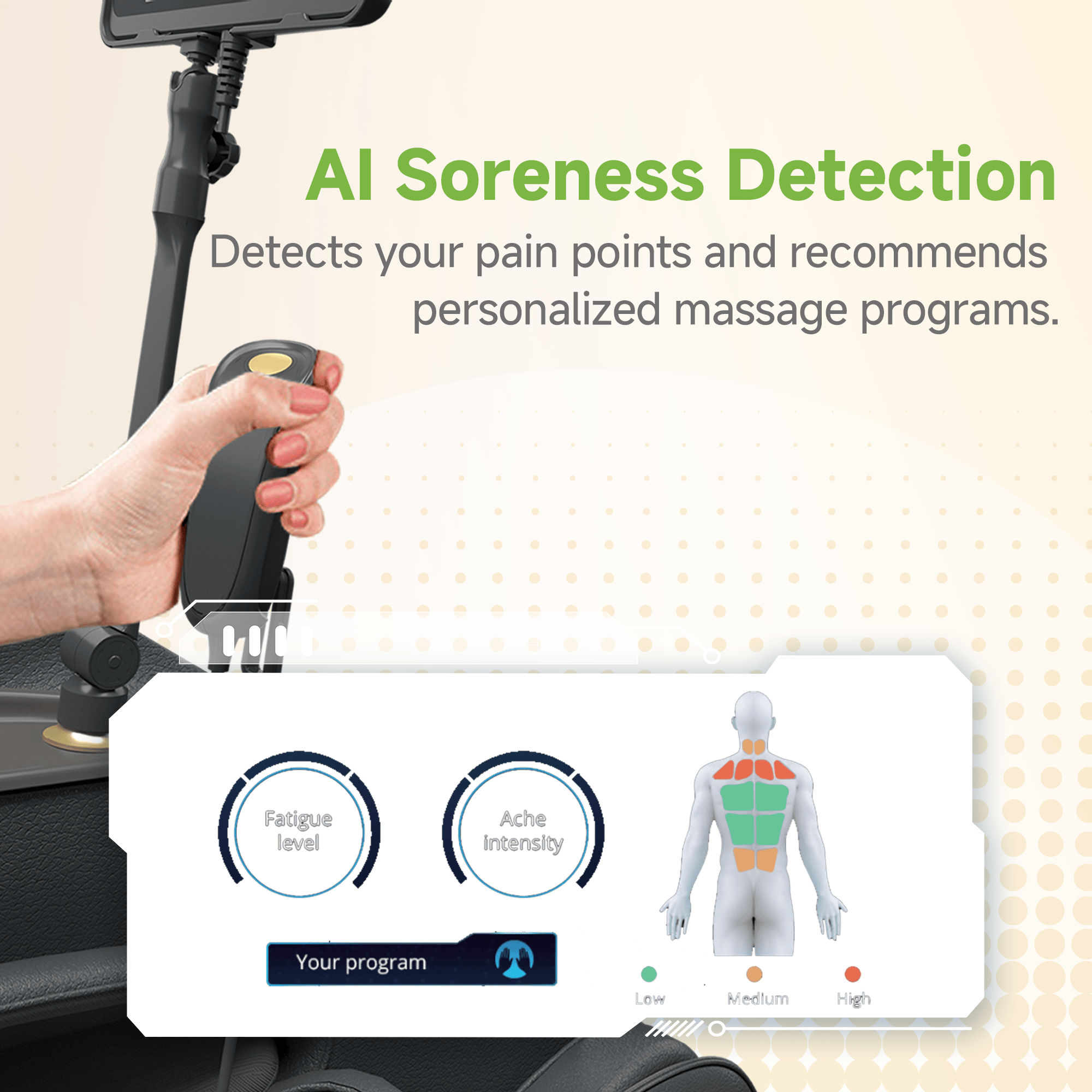
Real Relax PS6500 massage chair with AI soreness detection
What changes over time with regular use
A single session can feel relaxing, but the more interesting effects usually come with repeated use. People who use zero gravity massage chairs regularly often report:
- Less tightness in the neck and shoulders
- Easier transition into sleep at night
- Reduced physical fatigue after work
- A calmer baseline feeling during the day
These changes don’t happen because stress disappears completely. They happen because the body gets repeated signals that it can relax safely. Over time, the nervous system becomes less “stuck” in a constant alert state, especially when combined with good sleep and movement habits.
Important limits to keep in mind
Even though zero gravity massage chairs can support stress relief, they’re not a replacement for medical treatment or deeper mental health care when needed. They also work best in moderation. Most manufacturers, including Real Relax, recommend sessions of around 15–30 minutes at a time. Longer use doesn’t necessarily increase benefits and can sometimes lead to muscle overstimulation.
And while the experience feels very complete, it’s still a passive tool. It helps the body relax, but it doesn’t address external stress sources like workload, lifestyle habits, or emotional pressure.
How to get the most out of it
The simplest way to use a zero gravity massage chair effectively is consistency rather than intensity. Short daily sessions often work better than occasional long ones. Many users find it helpful to use it:
- After work to decompress
- Before sleep to calm the body
- On rest days for muscle recovery
Combining it with slow breathing or quiet time makes the relaxation response stronger, but even without any extra effort, the physical effects still happen.
Final perspective
Zero gravity massage chairs don’t remove stress from life, but they do something more practical—they help the body step out of tension long enough for recovery to actually happen. By combining a pressure-free reclining position with mechanical massage, heat, and rhythmic stimulation, chairs like Real Relax PS6500 create an environment where the nervous system can shift from alert mode into rest mode more easily.
The science behind it isn’t mysterious. It’s based on how the body responds to pressure, touch, and posture. When those signals all point toward safety and relaxation, stress naturally starts to loosen its grip.