
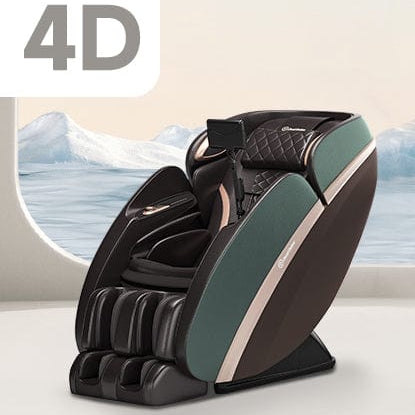


Massage chairs used to be simple: rollers move up and down, maybe vibrate a bit, and that was it. Now things feel very different. Modern models—like the Real Relax PS6500 massage chair from Real Relax—use smart sensing systems, adaptive programs, and voice interaction features that make the whole experience feel much more personalized and responsive.
It’s not “AI” in the movie sense. It’s more like a combination of sensors, pattern recognition, and automatic adjustment systems that help the chair react to your body in real time.
Let’s walk through how this actually works in today’s massage chairs and why it matters for everyday users.
Body scanning: where the “smart” experience begins
One of the first things a modern massage chair does is a body scan. In the PS6500, this happens automatically right after you sit down and start a program.
The chair detects:
• Shoulder height
• Spine curvature
• Back length
• General body shape
Inside the chair, rollers move gently up and down your back to map key points. This helps the system position the massage nodes more accurately.
According to research on posture recognition systems in robotics (https://ieeexplore.ieee.org/document/8584233), pressure sensors and motion mapping are commonly used to detect human body alignment and adjust mechanical interaction in real time.
In practical terms, this means the chair doesn’t just “guess” where your shoulders are. It adjusts itself based on your actual body.
Adaptive massage control: adjusting pressure and movement
After scanning, the system starts shaping the massage experience.
In chairs like the PS6500, the rollers can change:
• Speed
• Pressure intensity
• Movement depth (including 4D motion)
• Width between rollers
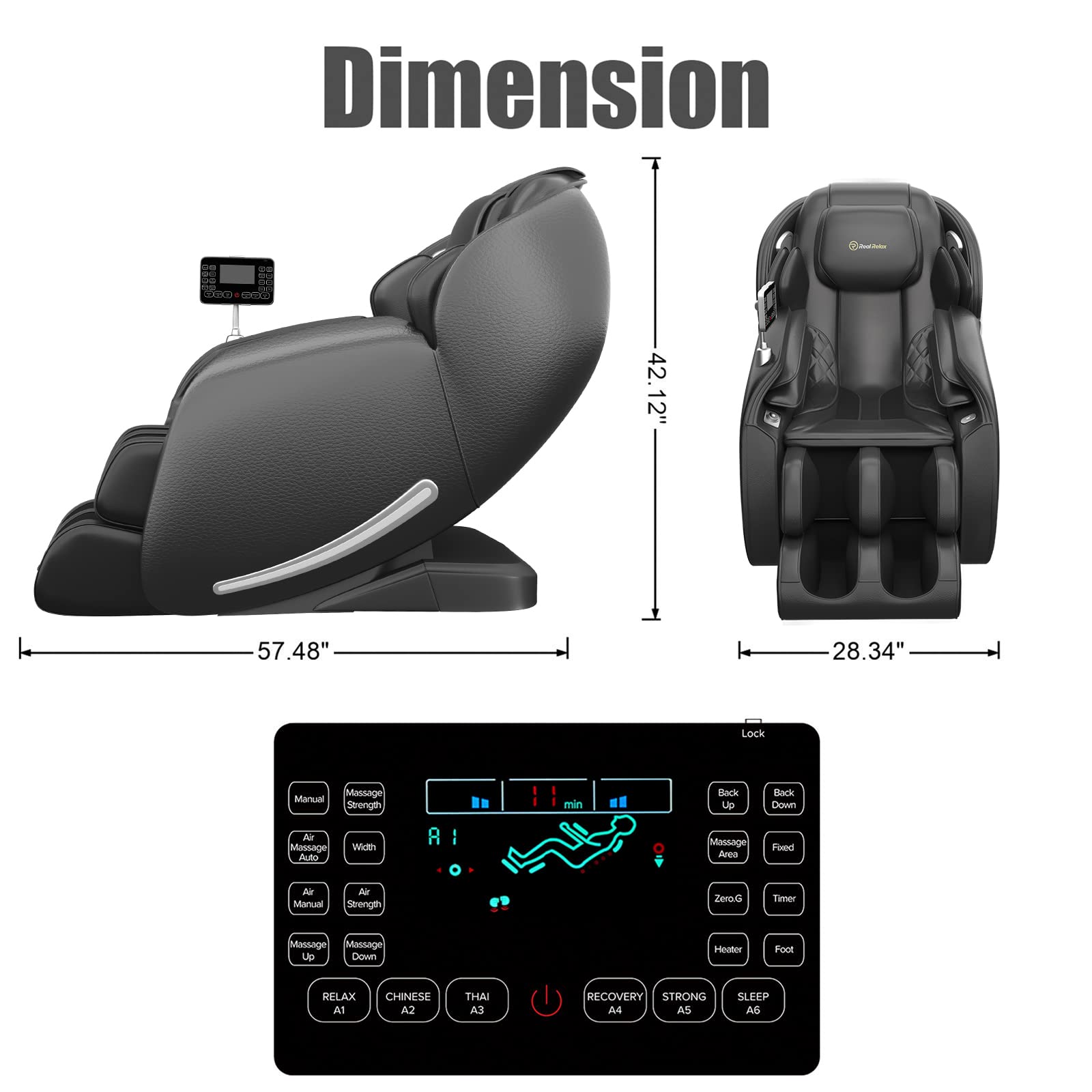
The PS6500 even allows manual adjustment of 4D intensity using shortcut controls, which is useful when you want deeper or softer pressure.
This adaptive system is what most manufacturers refer to as “AI care.” In reality, it’s a feedback loop: sensors detect resistance from your body, and the system responds by adjusting force and rhythm.
A review published in medical rehabilitation literature (https://pmc.ncbi.nlm.nih.gov/articles/PMC3924612/) notes that adaptive mechanical massage systems can improve user comfort by responding to muscle resistance instead of using fixed pressure patterns.
AI Care system: detecting soreness and fatigue
One standout feature in the PS6500 is the AI Care function.
When you place your hand on the sensor, the chair runs a quick analysis and displays:
• Fatigue level
• Pain or soreness intensity
• Suggested massage programs
It then recommends automatic programs that match your condition, such as relaxation-focused or recovery-focused modes.
This is where the system feels more “intelligent.” Instead of you picking a random mode, the chair tries to guide you toward what your body might need based on sensor input.
In practice, it’s similar to how fitness trackers estimate stress or recovery levels using biometric signals—just applied to physical massage.
Voice control: hands-free interaction
The PS6500 also includes voice command functionality, which is becoming more common in smart massage chairs.
You can say:
• “Hi Real Relax” to wake the system
• “Start massage” or “Pause massage”
• “Increase strength” or “Reduce strength”
• “Raise my back” or “Lower my back”
• “Start heater” or “End heater”
This allows users to adjust settings without touching the remote, which is especially helpful during deep relaxation sessions.
Voice interaction doesn’t rely on full conversational AI. It’s usually a structured command recognition system that matches specific phrases with actions.
Still, it makes the experience feel more seamless and modern.
Smart auto programs: multiple massage styles in one system
The PS6500 includes 27 automatic programs, grouped into categories like:
• Exclusive
• Theme
• Act
• My Day
• Origin
These include modes such as:
• Deep massage
• Meditation
• Athlete recovery
• Thai stretching
• Japanese Shiatsu
• Chinese Tai Chi
Each program combines different movements, airbag pressure, and speed patterns.
The system doesn’t randomly pick movements. Instead, it follows preset “massage logic sequences” designed for specific outcomes like relaxation, recovery, or stimulation.
This is where automation meets personalization: the chair selects a structured routine based on your choice and adjusts it slightly based on body scanning data.
Airbags, rollers, and zero gravity: coordinated systems
Modern massage chairs are not just roller-based anymore. The PS6500 combines multiple systems working together:
• 4D roller massage (depth + rhythm control)
• Airbag compression (arms, shoulders, legs, feet)
• Heat therapy for the lower back
• Foot rollers for reflex zone stimulation
• Zero gravity recline (3 levels)
The zero gravity position reduces pressure on the spine by distributing body weight more evenly. NASA originally studied this posture concept for astronaut seating during launch and re-entry comfort research.
In massage chairs, this position helps reduce spinal compression while allowing deeper muscle relaxation.
When combined with airbag compression and roller movement, the system creates a synchronized massage experience across multiple body zones.
Smart customization: saving preferences
Another subtle but important feature is memory-based customization.
The PS6500 allows users to:
• Save favorite programs
• Adjust and store intensity preferences
• Quickly access frequently used modes
This reduces setup time and creates a more personalized routine over repeated use.
It’s not “learning AI” in a deep sense, but it does remember user behavior and shortcuts, which improves convenience over time.
Stress-relief audio and environmental feedback
Modern massage chairs also aim to influence more than just muscles.
The PS6500 includes:
• Bluetooth audio playback
• Built-in stress-relief sound library
• White noise categories (rain, ocean, wind, forest sounds, etc.)
• LED ambient lighting modes
These features combine sensory inputs—sound, light, and physical massage—to help the body relax more deeply.
Studies in sensory therapy (https://www.ncbi.nlm.nih.gov/pmc) show that combining auditory relaxation cues with physical therapy can improve perceived relaxation levels compared to physical stimulation alone.
Safety intelligence: protecting the user automatically
Smart massage chairs also include protective logic systems.
For example, the PS6500 will:
• Stop automatically if excessive force is detected
• Shut down overheating functions
• Return to resting position after a session
• Require cooldown if used continuously too long
These safeguards ensure the machine responds safely to unexpected pressure or long usage sessions.
It’s another form of embedded intelligence—focused on preventing harm rather than enhancing massage patterns.
Where AI in massage chairs is really heading
Right now, most “AI” in massage chairs is still based on:
• Sensor feedback
• Pre-programmed logic systems
• Adaptive adjustments
• User memory and preferences
But the direction is clear: future systems will likely include:
• Better biometric tracking (heart rate, stress level)
• More precise muscle mapping
• Personalized recovery programs based on long-term data
• Integration with health apps and wearables
Brands like Real Relax are already moving in that direction with features like AI Care, voice control, and multi-zone adaptive massage systems in models like the PS6500.
A more natural way to think about “AI massage chairs”
Instead of imagining a robot thinking for you, it helps to see modern massage chairs as:
• A body-sensing machine
• A pattern-based automation system
• A personalized comfort engine
They don’t replace human decision-making. They just reduce the effort needed to get a good massage setup and adjust more intelligently to your body than older models ever could.
And that’s really the biggest shift: less manual guessing, more automatic adjustment, and a smoother experience from start to finish.